
Robin Jannis Mai, LL.B.
Lawyer focusing on IT law and intellectual property law – responsible for software and digital topics and entitled to represent clients before all divisions of the Unified Patent Court.
- Representation before all UPC divisions
- Attorneys-at-law and patent attorneys
- Reply usually within 24 hours

Robin Jannis Mai, LL.B.
IT law and intellectual property law
Career
Robin Jannis Mai studied law at Leibniz University Hanover and the Aristotle University of Thessaloniki and obtained a bachelor’s degree in IT law and intellectual property law in 2021. From 2019 to 2023 he worked at the Institute for Legal Informatics at Leibniz University Hanover. After his legal traineeship, including at the Lower Saxony Media Authority and the ARD legal editorial office, he has been a lawyer at the firm since 2026.
Role in the UPC team
Robin Jannis Mai handles proceedings concerning software, computer-implemented inventions and digital technologies and, in many cases, is responsible for deadline and case management in the UPC’s electronic Case Management System (CMS). As a lawyer admitted in Germany, he is entitled to represent clients before all UPC divisions under Art. 48(1) UPCA.
Focus areas
- Software, AI and data patents
- Preservation of evidence for source code and digital systems
- IT contracts, licences, open-source issues
- Data protection and trade secrets in patent litigation
Languages
German, English
Case examples
Typical situations we encounter in our advisory work – anonymised and simplified.
Preserving source code as evidence
Typical case: for a software provider, he prepares a saisie in which an expert secures a competitor’s source code – with confidentiality rules for trade secrets.
AI invention in manufacturing
Typical case: a patent on AI-supported quality inspection is attacked. He identifies the technical effect that supports the patent under the COMVIK standard.
Open-source objection
Typical case: a defendant claims the patented function comes from open-source code. He examines the publication dates of the repositories as possible prior art.
Deadline management in the CMS
Typical case: in proceedings with a counterclaim and three auxiliary requests, he coordinates all pleading deadlines and filings in the CMS.
Confidentiality order
Typical case: he applies for a confidentiality order so that the client’s algorithms are made available only to the representatives.
Your UPC team: authorised to represent before the Unified Patent Court
Michael Horak, Julia Ziegeler, Stefan Karfusehr, Robin Jannis Mai, Anna Umberg, Katharina Gitmann-Kopilevich, Karoline Behrend and Andreas Friedlein are attorneys-at-law admitted in Germany and are therefore entitled under Art. 48(1) UPCA to represent clients before all divisions of the Unified Patent Court and before the Court of Appeal in Luxembourg. Our patent attorneys contribute the technical expertise.
 Dipl.-Ing. Michael Horak, LL.M.Attorney-at-law · Partner · Consulting Engineer✓ UPC representation
 Julia ZiegelerAttorney-at-law · Partner✓ UPC representation
 Stefan KarfusehrAttorney-at-law✓ UPC representationRobin Jannis Mai, LL.B.Attorney-at-law✓ UPC representation
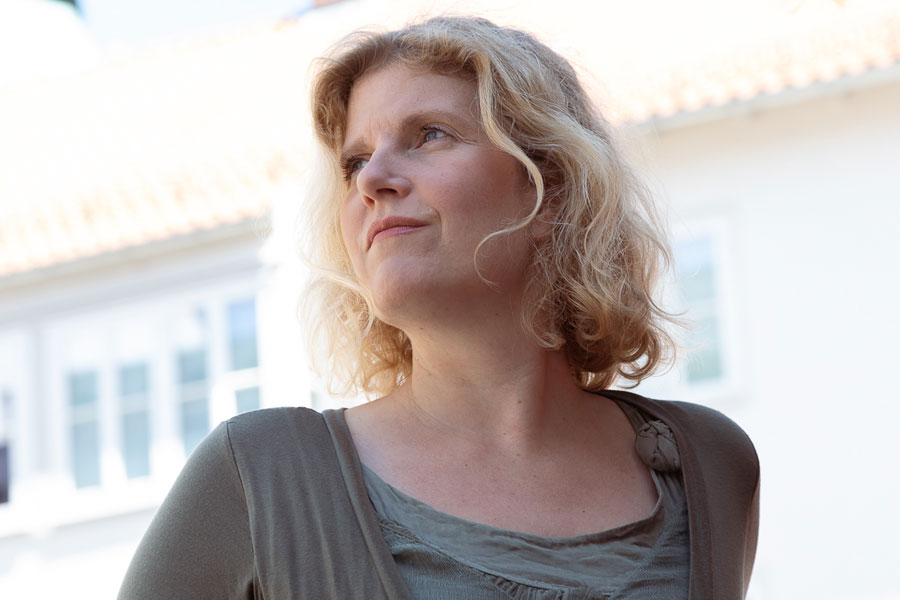 Anna Umberg, LL.M., M.A.Attorney-at-law✓ UPC representation
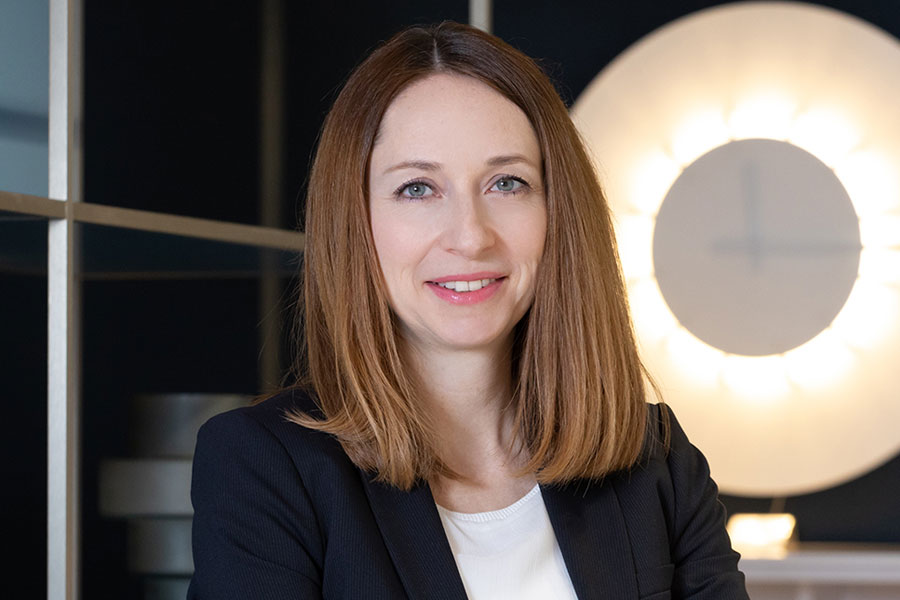 Katharina Gitmann-KopilevichAttorney-at-law✓ UPC representation
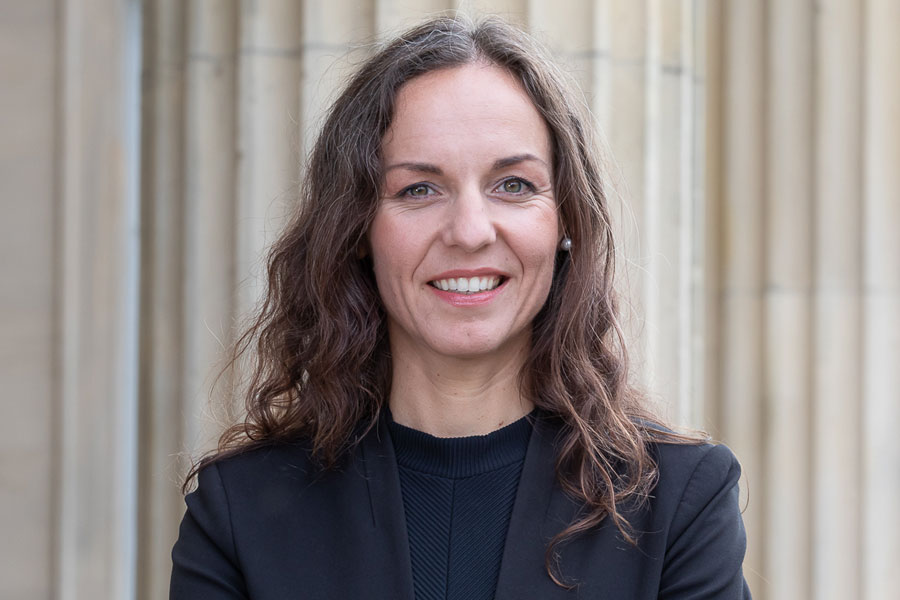 Karoline BehrendAttorney-at-law✓ UPC representation
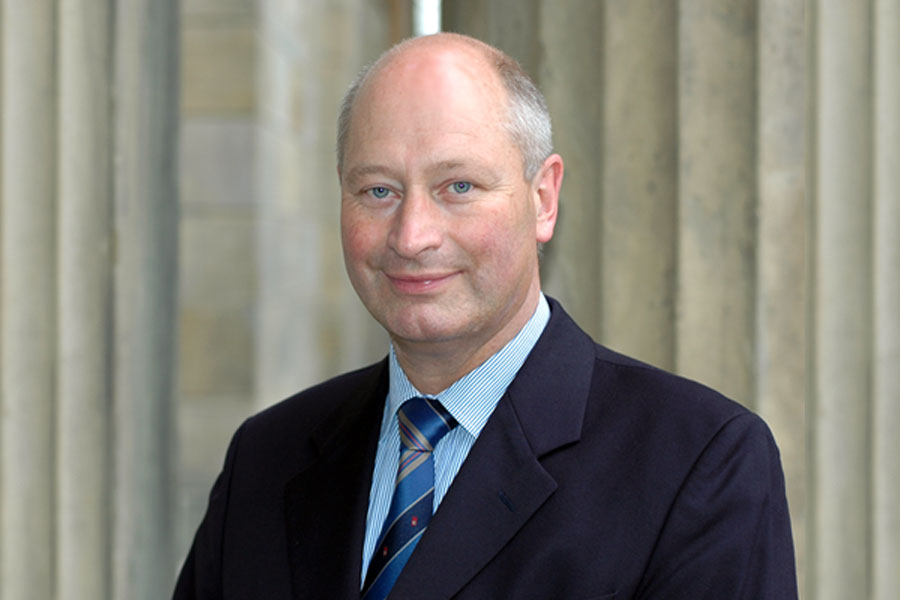 Andreas FriedleinAttorney-at-law✓ UPC representation
Frequently asked questions
Does Mr Mai also advise on data protection?
Yes, especially where personal data or trade secrets play a role in patent proceedings.
Related topics
Deadlines are running – we review your case at short notice
Statement of defence, appeal, protective letter or opt-out: many steps before the Unified Patent Court are subject to strict deadlines. Tell us about your case – confidentially and under attorney-client privilege.
Head office Hanover: 0511 35 73 56-0
info@upc-anwalt.de
10 offices in Germany · advice also by video call
As of November 2026. This information is provided for general guidance only and does not replace legal advice in an individual case. Legal bases: Agreement on a Unified Patent Court (UPCA), Rules of Procedure of the UPC (RoP), Regulations (EU) No 1257/2012 and 1260/2012, German Patent Act, German Utility Model Act, EPC, PCT.