
Arbitration Board for Employee Inventions
In disputes over inventions made by employees, the Arbitration Board at the German Patent and Trade Mark Office must generally be called upon before an action. We represent employers and inventors.
- Representation before all UPC divisions
- Attorneys-at-law and patent attorneys
- Reply usually within 24 hours
Basics of German employee invention law
If an employee makes a service invention, he or she must notify the employer of it separately and without delay in text form (Section 5 Employee Inventions Act). The employer can claim it; if the employer does not release the invention within four months of proper notification, it is deemed to have been claimed (Section 6(2) Employee Inventions Act). On claiming, all rights pass to the employer; the employee is entitled to reasonable remuneration (Section 9 Employee Inventions Act). The amount is based on the remuneration guidelines – value of the invention, share factor and co-inventor share.
The Arbitration Board
The Arbitration Board at the German Patent and Trade Mark Office (Sections 28 et seq. Employee Inventions Act) can be called upon in all disputes between employer and employee. It consists of a lawyer as chair and technical members. It makes a settlement proposal, which is deemed accepted if neither party objects in writing within one month (Section 34(3) Employee Inventions Act). An action before the ordinary courts is generally admissible only after the Arbitration Board proceedings have been completed (Section 37 Employee Inventions Act); exceptions apply, for example, where the employee has already left the company.
Typical points of dispute
- amount of remuneration, in particular the value of the invention in the case of own use,
- co-inventorship and shares,
- whether there is a service invention at all or a free invention,
- lump-sum remuneration agreements and their unfairness (Section 23 Employee Inventions Act),
- remuneration after leaving and on licensing or sale of the patent.
Case examples
Typical situations we encounter in our advisory work – anonymised and simplified.
Remuneration for own use
An engineer demands remuneration for an invention his employer uses in a product line. We calculate the value of the invention by the licence analogy method and represent the employer before the Arbitration Board. The settlement proposal is close to our calculation.
Former inventor sues directly
A former employee sues for remuneration directly after leaving. Because he has left, the Arbitration Board procedure is not mandatory. We represent the employer before the regional court.
Unfair lump-sum remuneration
An inventor had accepted a lump sum of €2,000, but the invention generates millions in sales. We assert on his behalf that the agreement is unfair. The Arbitration Board proposes a substantial additional payment.
Dispute over co-inventorship
Three developers dispute their shares in an invention. We document the contributions using lab notebooks. The Arbitration Board allocates the shares accordingly.
Deemed claiming
A company overlooked an invention notification. After four months, the invention is deemed claimed. We ensure that the application is filed in time and remuneration is properly arranged.
Your UPC team: authorised to represent before the Unified Patent Court
Michael Horak, Julia Ziegeler, Stefan Karfusehr, Robin Jannis Mai, Anna Umberg, Katharina Gitmann-Kopilevich, Karoline Behrend and Andreas Friedlein are attorneys-at-law admitted in Germany and are therefore entitled under Art. 48(1) UPCA to represent clients before all divisions of the Unified Patent Court and before the Court of Appeal in Luxembourg. Our patent attorneys contribute the technical expertise.
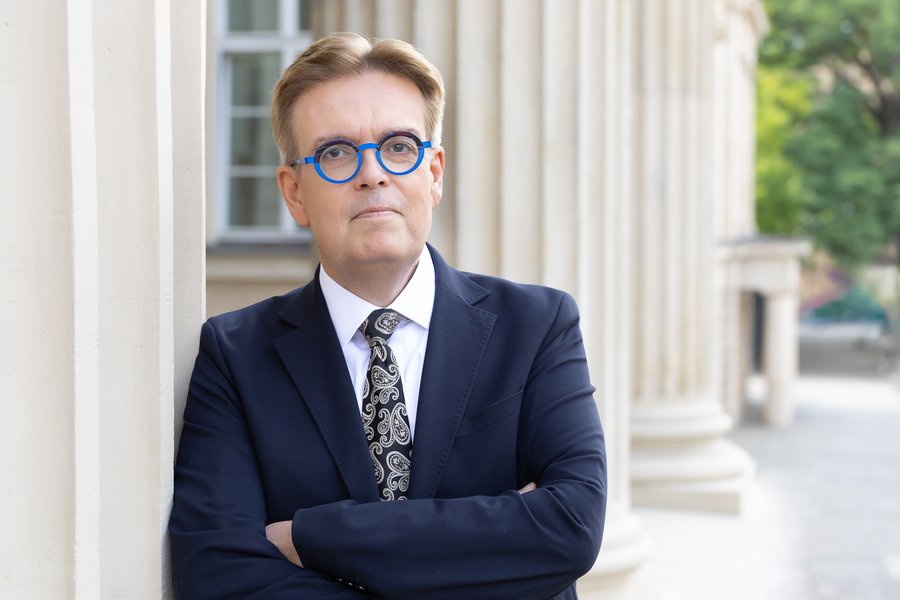 Dipl.-Ing. Michael Horak, LL.M.Attorney-at-law · Partner · Consulting Engineer✓ UPC representation
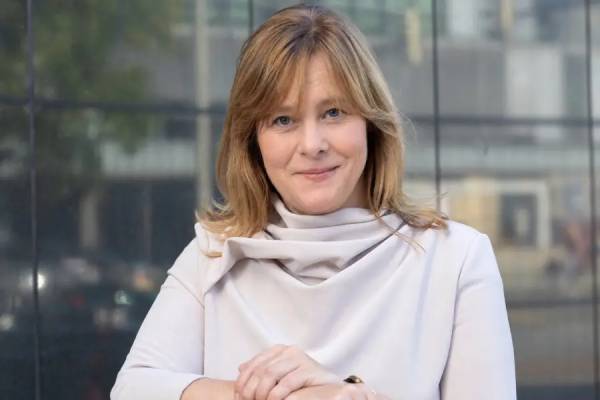 Julia ZiegelerAttorney-at-law · Partner✓ UPC representation
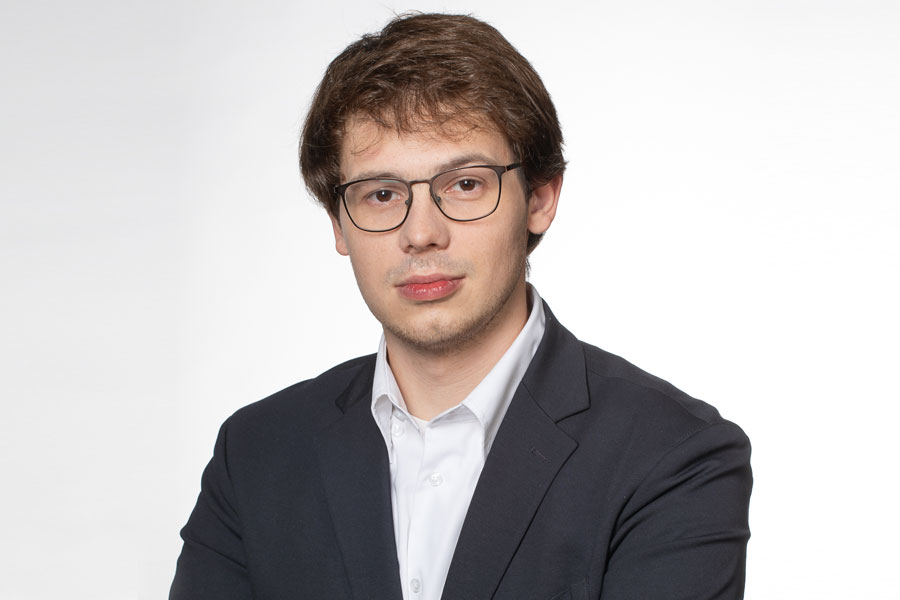 Stefan KarfusehrAttorney-at-law✓ UPC representation
 Robin Jannis Mai, LL.B.Attorney-at-law✓ UPC representation
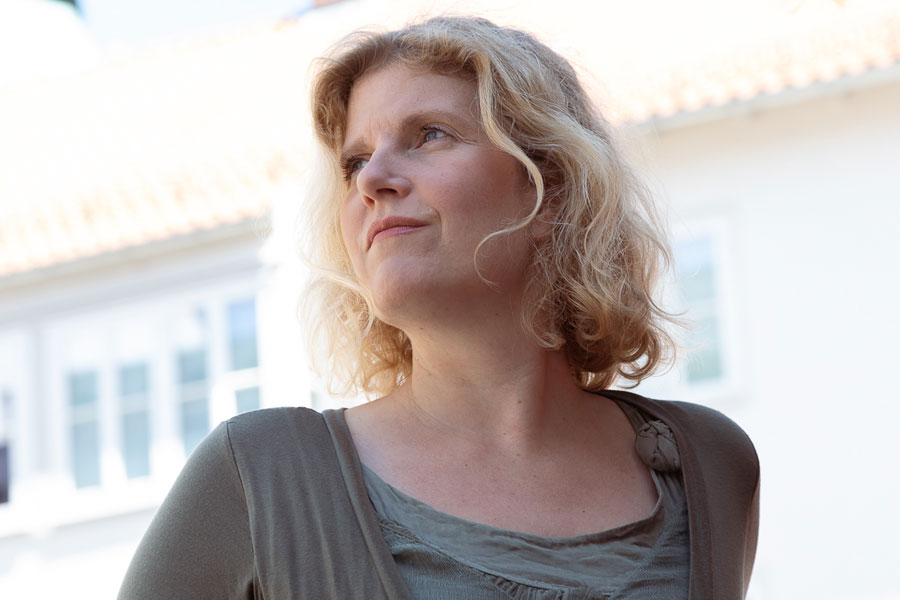 Anna Umberg, LL.M., M.A.Attorney-at-law✓ UPC representation
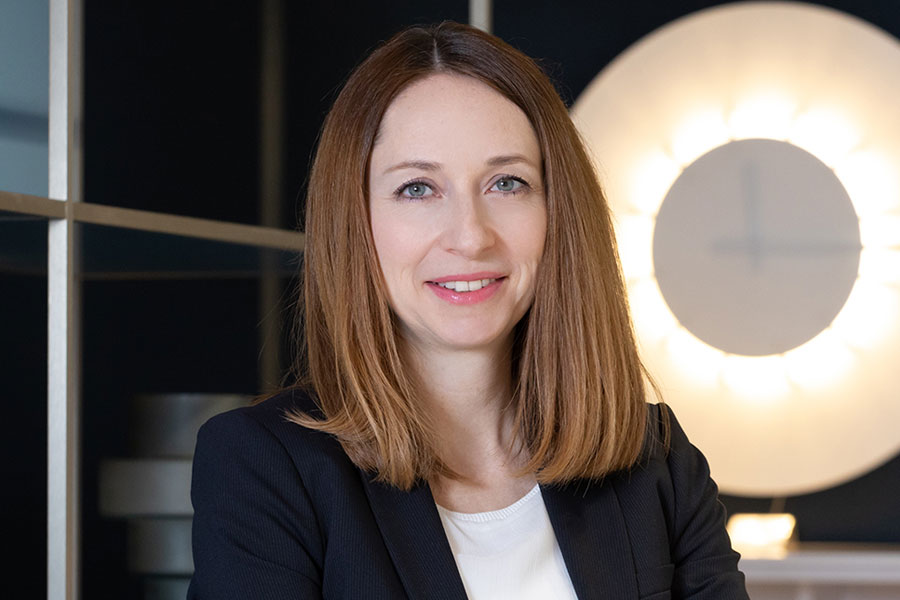 Katharina Gitmann-KopilevichAttorney-at-law✓ UPC representation
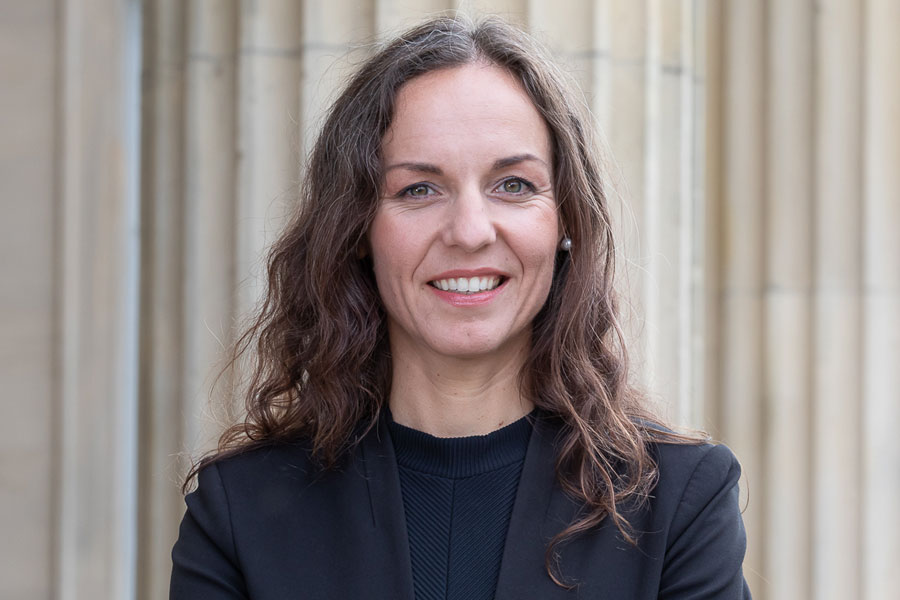 Karoline BehrendAttorney-at-law✓ UPC representation
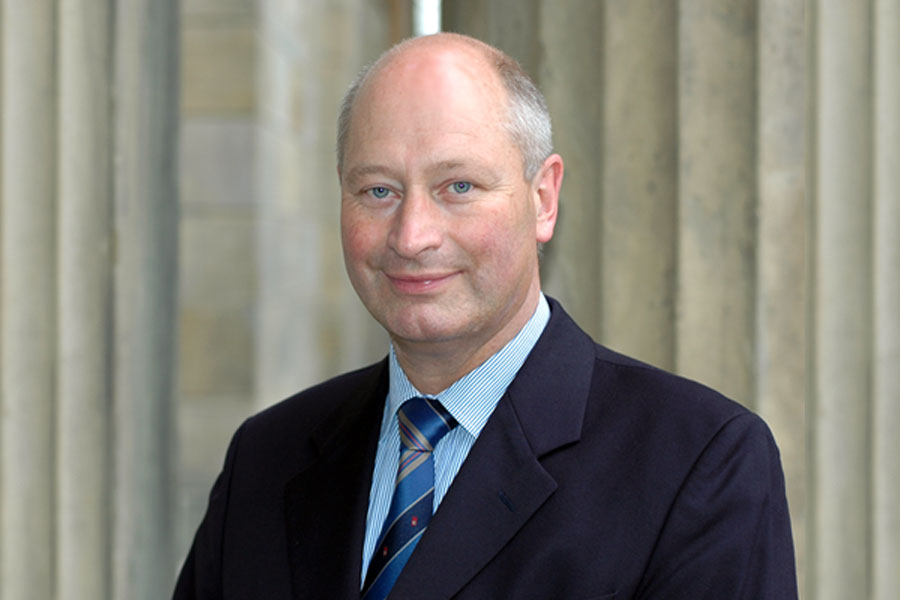 Andreas FriedleinAttorney-at-law✓ UPC representation
Frequently asked questions
What do Arbitration Board proceedings cost?
The proceedings themselves are free of charge. In principle each party bears its own lawyers’ fees.
Is the settlement proposal binding?
Yes, if neither party objects within one month of service.
Related topics
Deadlines are running – we review your case at short notice
Statement of defence, appeal, protective letter or opt-out: many steps before the Unified Patent Court are subject to strict deadlines. Tell us about your case – confidentially and under attorney-client privilege.
Head office Hanover: 0511 35 73 56-0
info@upc-anwalt.de
10 offices in Germany · advice also by video call
As of November 2026. This information is provided for general guidance only and does not replace legal advice in an individual case. Legal bases: Agreement on a Unified Patent Court (UPCA), Rules of Procedure of the UPC (RoP), Regulations (EU) No 1257/2012 and 1260/2012, German Patent Act, German Utility Model Act, EPC, PCT.