
Arbitration and mediation in patent law
Not every patent dispute belongs before a public court. Mediation, arbitration and expert determination are confidential, flexible and often faster – and since 2026 the UPC has its own centre, the PMAC.
- Representation before all UPC divisions
- Attorneys-at-law and patent attorneys
- Reply usually within 24 hours
When out-of-court procedures make sense
- in licensing and cooperation disputes where the business relationship is to be preserved,
- in FRAND disputes over royalty rates for standard-essential patents,
- with cross-border portfolios of rights in many states, including outside the UPC,
- where confidentiality matters – for example sales figures, know-how or contracts,
- where a technical expert determination is to settle a specific question,
- in employee invention matters, where the Arbitration Board at the DPMA must be called upon before an action.
The procedures at a glance
| Procedure | Outcome | Binding effect | Typical duration |
|---|---|---|---|
| Mediation | agreement of the parties with the help of a neutral mediator | only if agreed; settlement can be made enforceable | a few weeks to months |
| Arbitration | award of an arbitral tribunal | binding, enforceable worldwide under the New York Convention | 6–18 months |
| Expert determination | decision of an expert on a technical or economic question | contractually binding | a few months |
| Med-Arb | mediation, followed by arbitration if it fails | combined | flexible |
| Arbitration Board (Employee Inventions Act) | settlement proposal | binding if no objection within 1 month | approx. 1–2 years |
Limits
An arbitral tribunal decides only between the parties. It cannot declare a patent invalid with effect against everyone; that remains reserved to the courts and offices. The parties can, however, undertake to limit a patent, not to assert it or to surrender it.
Our role
We represent you in mediations and arbitrations, draft arbitration and mediation clauses in licence, development and cooperation agreements and support proceedings before the Arbitration Board for Employee Inventions. Anna Umberg brings particular experience in alternative dispute resolution.
Case examples
Typical situations we encounter in our advisory work – anonymised and simplified.
Licence dispute between partners
Two companies that jointly sell a product are in dispute over the accounting for a patent licence. Instead of suing, they agree on mediation. After two sessions, a new accounting rule is in place – the cooperation continues.
Arbitration clause in a development agreement
A mid-sized company develops a technology with a US partner. We agree an arbitration clause under the WIPO rules with its seat in Zurich. When a dispute arises over rights to improvement inventions, it is decided confidentially and with international enforceability.
Expert determination on essentiality
In licence negotiations it is disputed whether ten patents are essential to a standard. The parties instruct a technical expert to make a binding expert determination. The royalty is set on this basis.
Employee inventor remuneration
A former head of development demands higher remuneration for an invention. We represent the company before the Arbitration Board at the DPMA. Both sides accept the settlement proposal.
Mediation at the PMAC during UPC proceedings
In UPC infringement proceedings, the judge-rapporteur suggests mediation at the PMAC. The parties agree on a licence; the settlement is confirmed by the court and is enforceable.
Your UPC team: authorised to represent before the Unified Patent Court
Michael Horak, Julia Ziegeler, Stefan Karfusehr, Robin Jannis Mai, Anna Umberg, Katharina Gitmann-Kopilevich, Karoline Behrend and Andreas Friedlein are attorneys-at-law admitted in Germany and are therefore entitled under Art. 48(1) UPCA to represent clients before all divisions of the Unified Patent Court and before the Court of Appeal in Luxembourg. Our patent attorneys contribute the technical expertise.
 Dipl.-Ing. Michael Horak, LL.M.Attorney-at-law · Partner · Consulting Engineer✓ UPC representation
 Julia ZiegelerAttorney-at-law · Partner✓ UPC representation
 Stefan KarfusehrAttorney-at-law✓ UPC representation
 Robin Jannis Mai, LL.B.Attorney-at-law✓ UPC representation
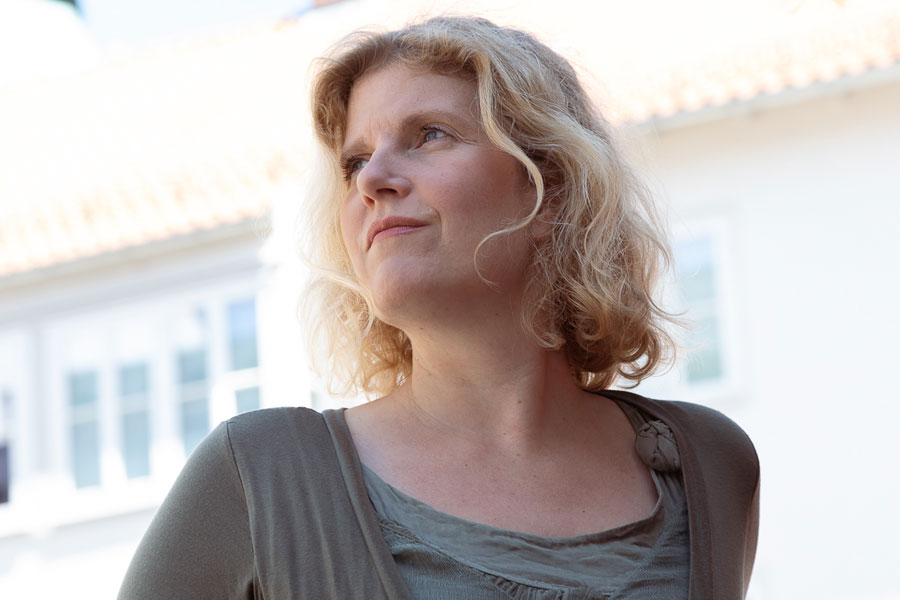 Anna Umberg, LL.M., M.A.Attorney-at-law✓ UPC representation
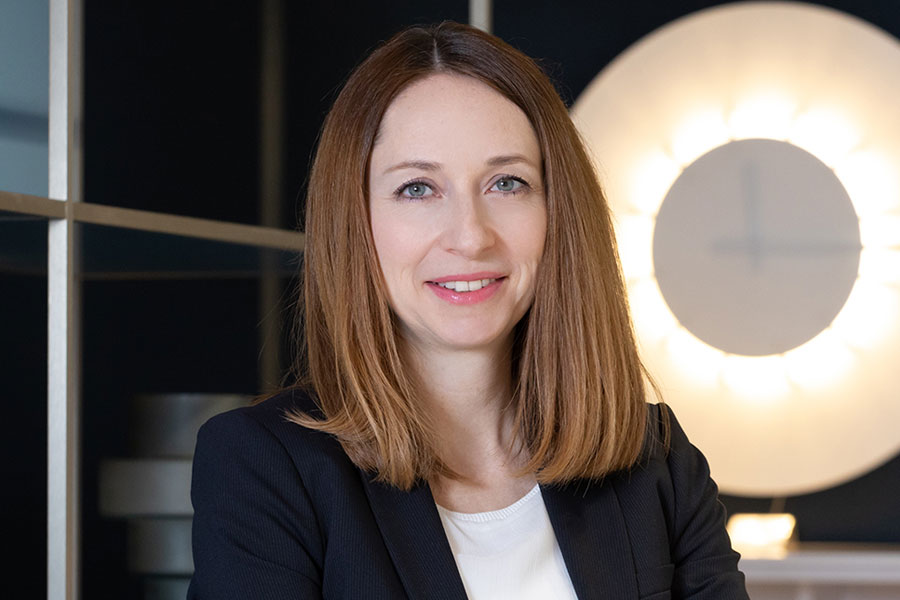 Katharina Gitmann-KopilevichAttorney-at-law✓ UPC representation
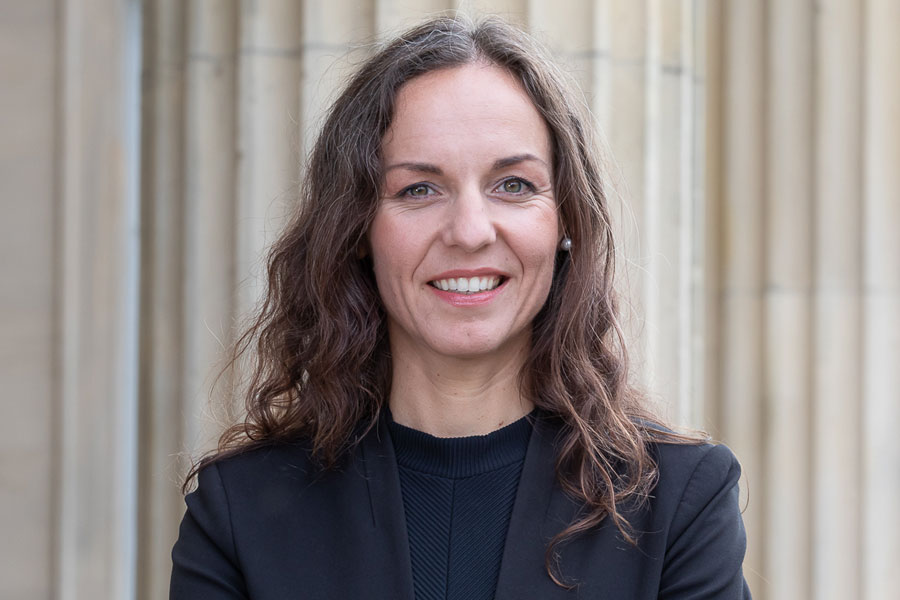 Karoline BehrendAttorney-at-law✓ UPC representation
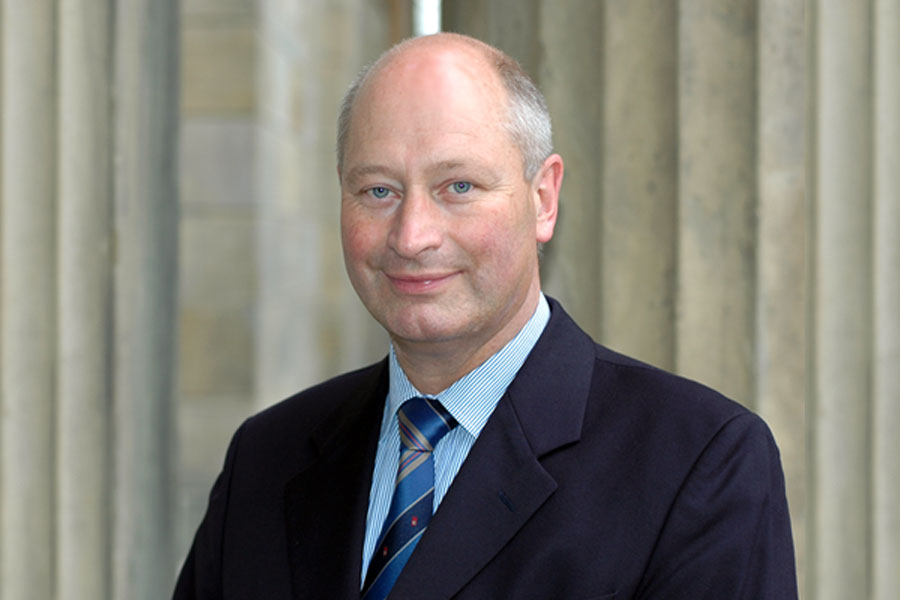 Andreas FriedleinAttorney-at-law✓ UPC representation
Frequently asked questions
Is an arbitral award enforceable abroad?
Yes, in the more than 170 Contracting States of the New York Convention – an advantage over many court judgments.
Can I force arbitration?
Only if there is an arbitration agreement. It can also be concluded after the dispute has arisen.
Related topics
Deadlines are running – we review your case at short notice
Statement of defence, appeal, protective letter or opt-out: many steps before the Unified Patent Court are subject to strict deadlines. Tell us about your case – confidentially and under attorney-client privilege.
Head office Hanover: 0511 35 73 56-0
info@upc-anwalt.de
10 offices in Germany · advice also by video call
As of November 2026. This information is provided for general guidance only and does not replace legal advice in an individual case. Legal bases: Agreement on a Unified Patent Court (UPCA), Rules of Procedure of the UPC (RoP), Regulations (EU) No 1257/2012 and 1260/2012, German Patent Act, German Utility Model Act, EPC, PCT.